

Introduction
In today’s modern and fast-moving lifestyle, mental health has become one of the most important yet most ignored aspects of our well-being. We are constantly surrounded by pressure—work deadlines, financial stress, family responsibilities, social media comparisons, and personal expectations. All these factors slowly affect our mental peace and emotional balance. Self Care for Mental Health & Inner Peace is becoming increasingly important as people look for ways to reduce stress, improve emotional well-being, and find inner balance in daily life.
This is where self care for mental health and inner peace becomes essential. Self care is not about luxury or selfishness; it is about understanding your mental needs and taking conscious steps to protect your emotional health. When you practice self care regularly, you create a peaceful inner space that helps you handle stress, anxiety, and negative emotions more effectively.
Mental peace does not come from external success—it comes from within. Through simple self care habits, you can improve your emotional strength, calm your thoughts, and live a happier, more balanced life.
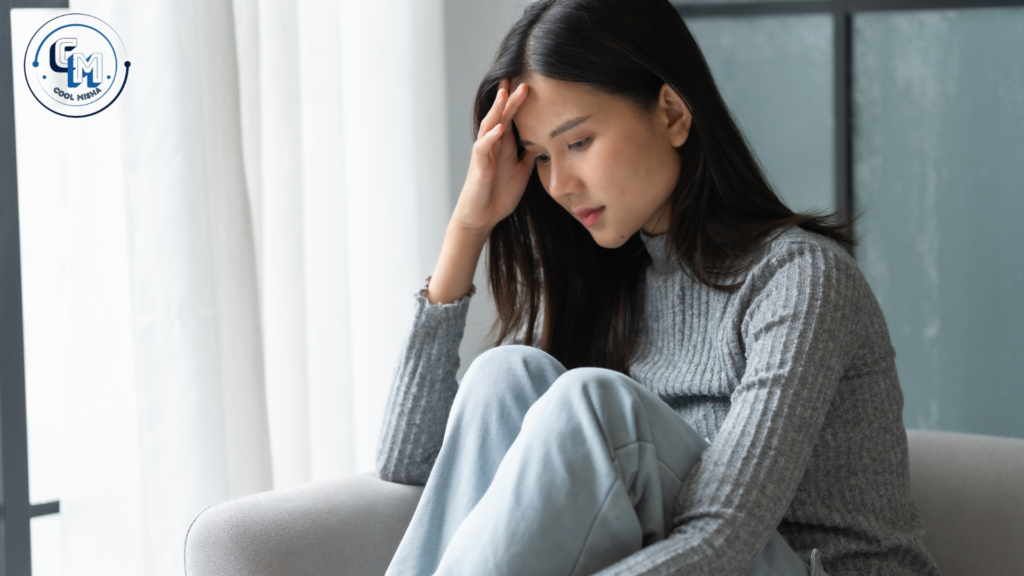
What Is Self Care for Mental Health
Self care for mental health refers to intentional actions and habits that support emotional stability, psychological well-being, and inner calm. It involves taking care of your thoughts, emotions, and stress levels in a healthy way.
Mental self care includes:
- Managing stress and anxiety
- Taking breaks from mental overload
- Creating emotional boundaries
- Practicing self awareness and mindfulness
- Giving yourself permission to rest
Self care is a daily practice, not a one-time solution. Even small steps, when done consistently, can bring powerful mental transformation.
Why Is Mental Health Self Care So Important?
Ignoring mental health can lead to serious emotional and physical problems. When stress remains untreated, it may result in anxiety disorders, depression, sleep problems, low productivity, and even physical illness .How Self Care for Mental Health & Inner Peace Improves Daily Life
Benefits of Mental Self Care:
- Reduces stress and emotional exhaustion
- Improves focus and concentration
- Enhances mood and positivity
- Builds emotional resilience
- Creates inner peace and clarity
- Improves relationships and self confidence
A peaceful mind allows you to respond calmly instead of reacting emotionally.
Understanding Inner Peace
Inner peace means having a calm, balanced state of mind regardless of external circumstances. It does not mean that problems disappear—it means you learn how to face them without losing emotional control Benefits of Self Care for Mental Health & Inner Peace.
Inner peace comes from:
- Self acceptance
- Emotional awareness
- Letting go of negativity
- Living in the present moment
- Aligning thoughts with values
Self care is the foundation of inner peace.
Signs You Need Mental Self Care
Your mind gives signals when it needs attention. Ignoring these signs can make stress worse.
Common signs include:
- Constant overthinking
- Feeling anxious or restless
- Lack of motivation
- Emotional sensitivity or irritation
- Difficulty sleeping
- Mental fatigue
- Feeling overwhelmed
If you notice these symptoms, it’s time to slow down and focus on self care.
Types of Self Care for Mental Health
Emotional Self Care
Emotional self care focuses on understanding and managing feelings.
- Journaling your emotions
- Talking to someone you trust
- Practicing self compassion
- Accepting your emotions without judgment
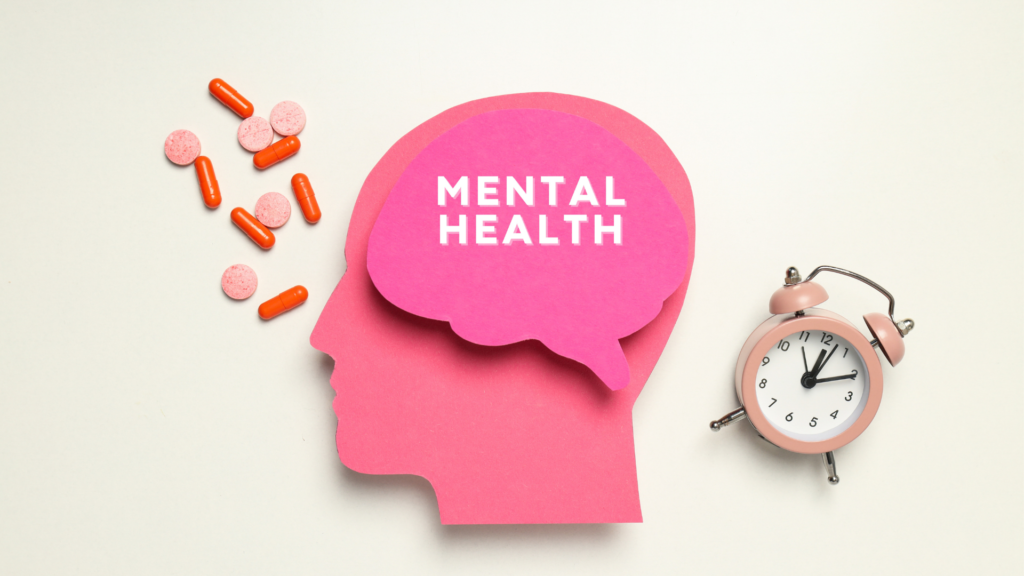
Mental Self Care
Mental self care strengthens your thought patterns.
- Reading positive content
- Limiting negative news
- Learning new skills
- Practicing mindfulness
Physical Self Care
Your body and mind are deeply connected.
Examples:
- Exercise and movement
- Healthy nutrition
- Quality sleep
- Relaxation practices
Spiritual Self Car
Spiritual care helps you connect with your inner self.
Examples:
- Meditation
- Prayer or mindfulness
- Gratitude practices
- Spending time in nature
Daily Self Care Practices for Mental Health & Inner Peace
1. Meditation & Mindfulness
Meditation is one of the most powerful tools for mental peace. Just 10–15 minutes daily can significantly reduce anxiety and improve emotional balance.
Benefits:
- Calms racing thoughts
- Improves focus
- Reduces stress hormones
- Increases self awareness
Mindfulness teaches you to live in the present moment instead of worrying about the past or future.
2. Build a Calm Morning Routine
Your morning sets the tone for the entire day. A peaceful start reduces mental chaos.
Healthy morning habits:
- Wake up early
- Avoid phone for first 30 minutes
- Practice deep breathing
- Write positive affirmations
- Stretch or walk
A calm morning leads to a peaceful mind.
3. Digital Detox for Mental Peace
Excessive screen time and social media consumption increase stress, comparison, and anxiety.
Self care tips:
- Set screen limits
- Avoid phone before sleep
- Take regular digital breaks
- Follow positive content only
Reducing digital noise creates mental clarity.
4. Journaling & Self Reflection
Writing helps release emotional pressure. Journaling allows you to understand your thoughts and emotions clearly.
What you can write:
- Daily thoughts
- Gratitude list
- Emotional experiences
- Goals and reflections
Journaling is a powerful emotional healing tool.
5. Practice Gratitude Daily
Gratitude shifts focus from problems to blessings. It improves emotional balance and happiness.
Simple gratitude practice:
- Write 3 things you are thankful for daily
- Appreciate small moments
- Express gratitude to others
Gratitude naturally creates inner peace.
6. Physical Movement & Exercise
Exercise releases endorphins, also known as “happy hormones.”
Best options:
- Walking
- Yoga
- Stretching
- Light workouts
Even 20 minutes daily improves mental health.
7. Prioritize Quality Sleep
Poor sleep increases stress, anxiety, and mood imbalance.
Healthy sleep habits:
- Fixed sleep schedule
- No screens before bed
- Calm bedtime routine
- Comfortable sleep environment
Sleep is essential for mental healing.
Self Care Habits That Create Inner Peace
- Learn to say “no” without guilt
- Set healthy boundaries
- Avoid negative environments
- Spend time alone intentionally
- Practice deep breathing
- Accept imperfections
- Focus on progress, not perfection
Inner peace grows when you respect your limits.
The Role of Self Love in Mental Health
Self care begins with self love. When you respect yourself, you naturally protect your mental energy.
Self love practices:
- Stop negative self talk
- Forgive yourself
- Celebrate small wins
- Treat yourself kindly
You cannot pour from an empty cup—self love fills your emotional energy.
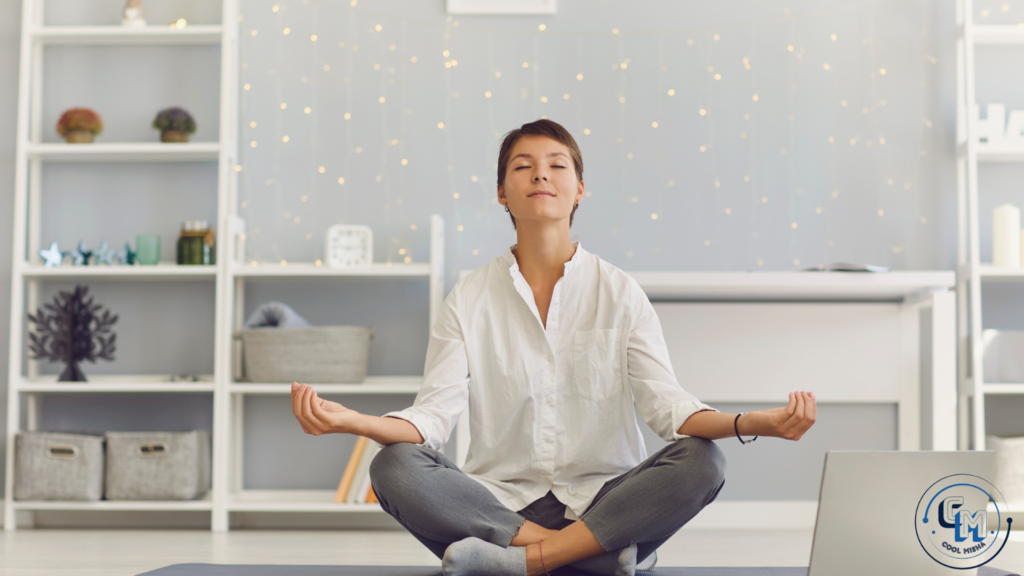
Letting Go of Stress & Negative Thoughts
Stress is unavoidable, but suffering is optional. Learn to release what you cannot control.Self care for mental health and inner peace is not just a trend, but a daily practice that helps individuals stay emotionally balanced in a stressful world. By focusing on mindful habits, self-reflection, and emotional care, people can strengthen mental resilience and experience lasting inner peace naturally.
Techniques:
- Deep breathing
- Acceptance
- Positive affirmations
- Mindful awareness
Letting go creates emotional freedom.
Long-Term Benefits of Mental Self Care
- Emotional stability
- Increased confidence
- Better decision-making
- Healthy relationships
- Peaceful mindset
- Improved quality of life
Self care is an investment in your future happiness.
Deep Self Care Strategies for Mental Health & Inner Peace
Self care for mental health and inner peace is not only about short-term relaxation, but about building a sustainable lifestyle that supports emotional stability and mental clarity. Many people try self care occasionally, but true inner peace comes from consistency and awareness. When self care becomes a part of your daily life, your mind slowly learns how to stay calm even in difficult situations.
Mental peace is strongly connected to how we respond to stress, failure, criticism, and uncertainty. Through intentional self care practices, we train our mind to respond with patience instead of panic, clarity instead of confusion, and acceptance instead of resistance.
The Connection Between Thoughts and Mental Health
Our thoughts shape our mental health. Negative thinking patterns such as overthinking, self-doubt, fear, and comparison slowly disturb inner peace. Without realizing it, many people become trapped in a cycle of negative thoughts that affect their emotional well-being.
Self care for mental health helps you become aware of these thought patterns. When you observe your thoughts without judging them, you gain control over your mental reactions. Mindful awareness allows you to pause, reflect, and choose healthier thoughts.
Replacing negative self-talk with compassionate inner dialogue is a powerful form of self care. Speaking kindly to yourself improves emotional balance and strengthens mental resilience.
Emotional Boundaries and Inner Peace
One of the most overlooked aspects of mental self care is setting emotional boundaries. Many people experience stress because they absorb others’ emotions, expectations, and problems. Over time, this emotional overload leads to mental exhaustion.
Setting boundaries is not selfish; it is necessary for inner peace. Self care for mental health includes learning when to say no, protecting your time, and respecting your emotional limits. When you create healthy boundaries, your mind feels lighter and more balanced.
Boundaries allow you to focus on your own growth without guilt, which directly supports long-term mental peace.
Slowing Down in a Fast World
Modern life encourages constant speed—fast work, fast communication, and fast decisions. This lifestyle leaves little space for mental rest. One of the most effective self care practices for inner peace is slowing down intentionally.
Slowing down does not mean being unproductive. It means being present. Taking time to breathe, eat mindfully, walk slowly, and rest without distraction helps your nervous system relax. A calm nervous system is the foundation of good mental health.
Self care for mental health and inner peace teaches us that rest is not weakness; it is recovery.
The Role of Acceptance in Mental Peace
Many mental struggles come from resistance—resisting reality, emotions, or situations we cannot control. Acceptance is a powerful self care tool that brings emotional relief. Accepting does not mean giving up; it means acknowledging what is, without fighting it mentally.
When you accept your emotions instead of suppressing them, they lose their intensity. Acceptance allows emotions to pass naturally, creating inner peace. This practice improves emotional intelligence and reduces long-term stress.
Self care includes allowing yourself to feel without judgment.
Self Care During Emotional Overwhelm
There are moments when emotions feel too heavy—sadness, anger, anxiety, or confusion. During these times, self care should be gentle, not demanding. Instead of forcing positivity, focus on grounding practices.
Simple grounding self care techniques include:
- Deep breathing
- Holding something warm
- Sitting quietly without distraction
- Listening to calming music
These practices bring the mind back to safety and calm. Self care for mental health is about responding to emotional overwhelm with kindness, not pressure.
Building a Calm Evening Routine
Evenings are crucial for mental recovery. A stressful day without a calming evening routine often results in poor sleep and mental fatigue. Creating an intentional evening routine is an important self care habit for inner peace.
A peaceful evening may include:
- Reducing screen exposure
- Light stretching or breathing
- Reflecting on the day calmly
- Practicing gratitude
- Preparing for restful sleep
This routine signals the mind to relax, supporting better mental health and emotional balance.
Self Care and Long-Term Mental Strength
Mental strength is not about suppressing emotions; it is about understanding and managing them. Self care helps build this strength gradually. When you consistently practice self care for mental health and inner peace, your emotional responses become more balanced.
Over time, you notice:
- Reduced reactivity
- Improved focus
- Emotional clarity
- Greater patience
- Stronger self-awareness
These changes reflect inner growth, not external achievement.
The Importance of Consistency Over Perfection
Many people quit self care because they aim for perfection. They believe self care must be done perfectly every day. This mindset creates pressure instead of peace.
True self care is flexible. Some days you may meditate, other days you may simply rest. Both are valid. Consistency matters more than intensity. Small, repeated actions shape mental health over time.
Self care for mental health and inner peace works best when practiced gently and regularly.
Inner Peace as a Daily Practice
Inner peace is not a destination; it is a daily practice. Each day offers a choice—to react or to respond, to rush or to breathe, to criticize or to accept. Self care helps you choose peace more often.
When you prioritize mental self care, you create a supportive inner environment where clarity, calmness, and emotional stability can grow. This inner peace reflects in your decisions, relationships, and overall quality of life.
Closing Reflection
Self care for mental health and inner peace is a lifelong commitment to yourself. It requires awareness, patience, and compassion. As you continue this journey, remember that peace does not come from controlling life—it comes from understanding yourself.
By honoring your mental needs, setting boundaries, slowing down, and practicing acceptance, you build a peaceful mind that supports a fulfilling life.
FAQ Section
What is self care for mental health?
Self care for mental health means taking care of your emotional, psychological, and mental well-being through healthy habits like mindfulness, stress management, proper rest, and positive thinking.
How does self care help in achieving inner peace?
Self care helps reduce stress, calm negative thoughts, and improve emotional balance. Regular self care practices create a peaceful mindset and promote inner peace.
What are the best daily self care habits for mental peace?
Daily self care habits include meditation, journaling, physical exercise, quality sleep, digital detox, gratitude practice, and spending time in nature.
How much time should I spend on mental self care daily
Even 15–30 minutes daily is enough to improve mental health. Consistency matters more than duration.
Can self care reduce stress and anxiety?
Yes, self care practices like mindfulness, breathing exercises, and emotional awareness significantly reduce stress and anxiety over time.
Is self care only for people with mental health issues?
No, self care is for everyone. It helps maintain mental balance, emotional strength, and prevents burnout even in healthy individuals.
What is the connection between self love and mental health?
Self love improves self acceptance and emotional resilience. When you respect yourself, your mental health and inner peace naturally improve.
Can self care improve sleep quality?
Yes, self care habits like relaxation routines, reduced screen time, and stress management greatly improve sleep quality.
Final Thoughts
Self care for mental health and inner peace is not a trend—it is a lifestyle. By practicing small, consistent habits, you can transform your mental well-being and emotional strength. Inner peace is not found outside; it is built within through self awareness, self compassion, and self care.
When you practice self care for mental health and inner peace consistently, you build emotional balance, mental clarity, and long-term well-being. Regular self care for mental health and inner peace helps maintain emotional balance, reduces stress, and supports a calm and focused mind over time.

Leave a Reply