

Introduction
In today’s fast‑paced world, staying healthy is no longer just about treating illness—it’s about daily safe care. Safe care means taking small, consistent steps every day to protect your body, mind, and environment. When followed regularly, these habits help prevent diseases, reduce stress, and improve overall quality of life.
Many people believe that health care is expensive or complicated, but the truth is that daily safe care starts with simple habits. From personal hygiene and nutrition to mental wellness and home safety, each small action plays an important role. This blog will guide you through practical, easy‑to‑follow daily safe care tips that anyone can adopt, regardless of age or lifestyle.

What Is Daily Safe Care?
Daily safe care refers to the routine practices that protect your physical, mental, and emotional well‑being. It focuses on prevention rather than cure. By following safe care habits daily, you lower the risk of infections, lifestyle diseases, and mental health issues.
Safe care is not limited to hospitals or medical professionals. It begins at home, continues at work, and extends into every part of daily life. Clean habits, mindful eating, regular movement, emotional balance, and a safe environment together form the foundation of a healthy life.
Importance of Daily Safe Care
1. Prevents Illness and Infections
Good hygiene, clean surroundings, and healthy routines reduce exposure to germs and viruses. Simple actions like washing hands and keeping your environment clean can prevent many common illnesses.
2. Improves Long‑Term Health
Daily care helps prevent chronic conditions such as diabetes, heart disease, obesity, and high blood pressure. Consistency is the key to long‑term wellness.
3. Boosts Mental Well‑Being
Safe care also includes mental health. Managing stress, getting enough sleep, and maintaining emotional balance lead to better focus, productivity, and happiness.
4. Builds a Healthy Lifestyle
When safe care becomes a habit, it naturally turns into a healthy lifestyle. This improves confidence, energy levels, and overall life satisfaction.
Daily Personal Hygiene Tips
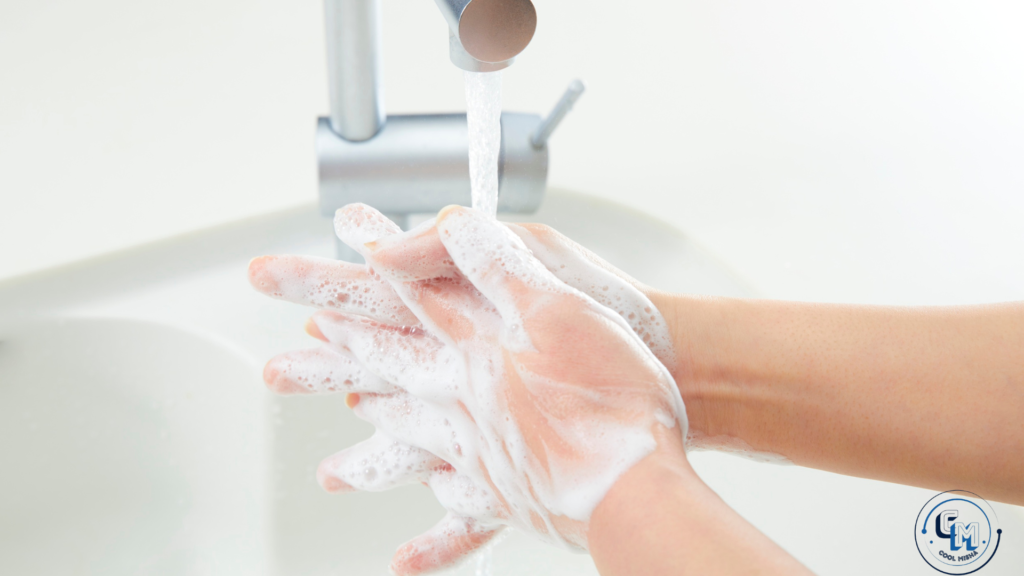
Hand Hygiene
Wash your hands regularly using soap and clean water, especially:
- Before eating
- After using the restroom
- After returning from outside
Proper handwashing reduces the risk of infections and keeps harmful bacteria away.
Oral Care
Brush your teeth twice a day and floss regularly. Oral hygiene is directly linked to overall health, as poor dental care can lead to infections and other health problems.
Bathing and Skin Care
Daily bathing helps remove sweat, dirt, and bacteria. Use mild soaps and moisturize your skin to maintain its natural barrier.
Clean Clothing
Wear clean clothes daily, especially undergarments. Dirty clothes can carry germs and cause skin irritation.
Nutrition and Safe Eating Habits
Eat a Balanced Diet
A healthy diet should include:
- Fresh fruits and vegetables
- Whole grains
- Lean proteins
- Healthy fats
Balanced nutrition strengthens the immune system and provides essential energy.
Stay Hydrated
Drink enough clean water throughout the day. Hydration supports digestion, circulation, and detoxification.
Food Safety Practices
- Wash fruits and vegetables before use
- Store food properly
- Avoid stale or uncovered food
Safe eating habits protect you from food‑borne illnesses.

Daily Physical Activity for Safe Care
Importance of Movement
Regular physical activity improves heart health, strengthens muscles, and boosts immunity. Even light exercise can make a big difference.
Simple Daily Exercises
- Morning stretching
- Walking for 30 minutes
- Yoga or light home workouts
Avoid a Sedentary Lifestyle
Take short breaks from sitting. Move your body every hour to improve blood circulation and posture.
Mental Health and Emotional Safe Care
Manage Stress Daily
Stress affects both mental and physical health. Practice relaxation techniques such as:
- Deep breathing
- Meditation
- Listening to calm music
Maintain a Positive Routine
Start and end your day with positive habits like gratitude journaling or quiet reflection.
Get Enough Sleep
Quality sleep is essential for healing and mental clarity. Aim for 7–8 hours of sleep every night.

Home and Environmental Safety Care
Keep Your Home Clean
A clean home reduces allergens, germs, and stress. Regular cleaning of frequently touched surfaces is essential.
Proper Ventilation
Ensure good airflow in living spaces to reduce indoor pollution and maintain fresh air.
Safe Drinking Water
Use filtered or boiled water for drinking. Clean water is fundamental to good health.
Digital and Eye Care in Daily Lif
Limit Screen Time
Excessive screen time causes eye strain, headaches, and poor sleep. Follow the 20‑20‑20 rule: every 20 minutes, look at something 20 feet away for 20 seconds.
Maintain Proper Posture
Sit straight while using devices to prevent neck and back pain.

Preventive Health Care Tips
Regular Health Checkups
Early detection of health issues makes treatment easier and more effective.
Vaccinations and Preventive Measures
Follow recommended vaccinations and seasonal precautions to protect yourself and your family.
Listen to Your Body
Do not ignore symptoms. Early care prevents serious problems later.
Safe Care for Children and Elderly
For Children
- Teach hygiene habits early
- Provide nutritious meals
- Ensure a safe play environment
For Elderly
- Regular medical checkups
- Balanced diet and light exercise
- Emotional support and companionship
Building a Daily Safe Care Routine
Creating a routine makes safe care easy and consistent:
- Morning: hygiene, hydration, light exercise
- Daytime: balanced meals, movement, stress management
- Night: clean surroundings, digital detox, quality sleep
Consistency transforms small actions into lifelong health benefits.
Common Mistakes to Avoid
- Ignoring mental health
- Skipping meals or hydration
- Poor sleep habits
- Overlooking cleanliness
Avoiding these mistakes improves overall safe care effectiveness.
Conclusion
Daily safe care is the foundation of a healthy and balanced life. It does not require expensive products or complex routines—just awareness, consistency, and commitment. By focusing on hygiene, nutrition, physical activity, mental wellness, and a safe environment, you can protect yourself and your loved ones from many health risks.
Remember, health is built daily, not in a single day. Start with small steps, stay consistent, and make safe care a part of your everyday life. A healthier, happier future begins with the choices you make today.
Final Thought
Adopting daily safe care tips is an investment in yourself. When you take care of your body and mind every day, you create a life filled with energy, confidence, and long‑term well‑being.
Frequently Asked Questions (FAQs)
What is daily safe care?
Daily safe care means following simple, regular habits that protect your physical, mental, and emotional health. It focuses on prevention rather than treatment and helps you stay healthy in the long run.
Why is daily safe care important for a healthy life?
Daily safe care reduces the risk of illness, improves immunity, supports mental well‑being, and promotes a balanced lifestyle. Small daily actions create long‑term health benefits.
Can daily safe care really prevent diseases?
Yes. Proper hygiene, balanced nutrition, regular exercise, and stress management can prevent many lifestyle and infectious diseases.
Is daily safe care necessary for all age groups?
Absolutely. Children, adults, and elderly people all benefit from daily safe care habits, though the routines may vary according to age and needs.
How much time does daily safe care require?
Daily safe care does not require much time. Even 30–60 minutes of mindful habits spread throughout the day can make a big difference.
Benefits of Following Daily Safe Care Tips
- Stronger immune system
- Reduced medical expenses
- Better mental peace and focus
- Improved energy and productivity
- Long and active life
- Better family health and safety
Myths and Facts About Daily Safe Care
Myth: Health care is needed only when you fall sick.
Fact: Daily safe care helps prevent illness before it starts.
Myth: Healthy living is expensive.
Fact: Most safe care habits are simple, natural, and low‑cost.
Myth: Only physical health matters.
Fact: Mental and emotional care are equally important for a healthy life.
Call to Action
Start practicing daily safe care today. Make small changes, stay consistent, and encourage your family to follow safe habits together. A healthier tomorrow begins with the steps you take today.
If you found this guide helpful, share it with your loved ones and help spread awareness about living a safe and healthy life.

Leave a Reply